
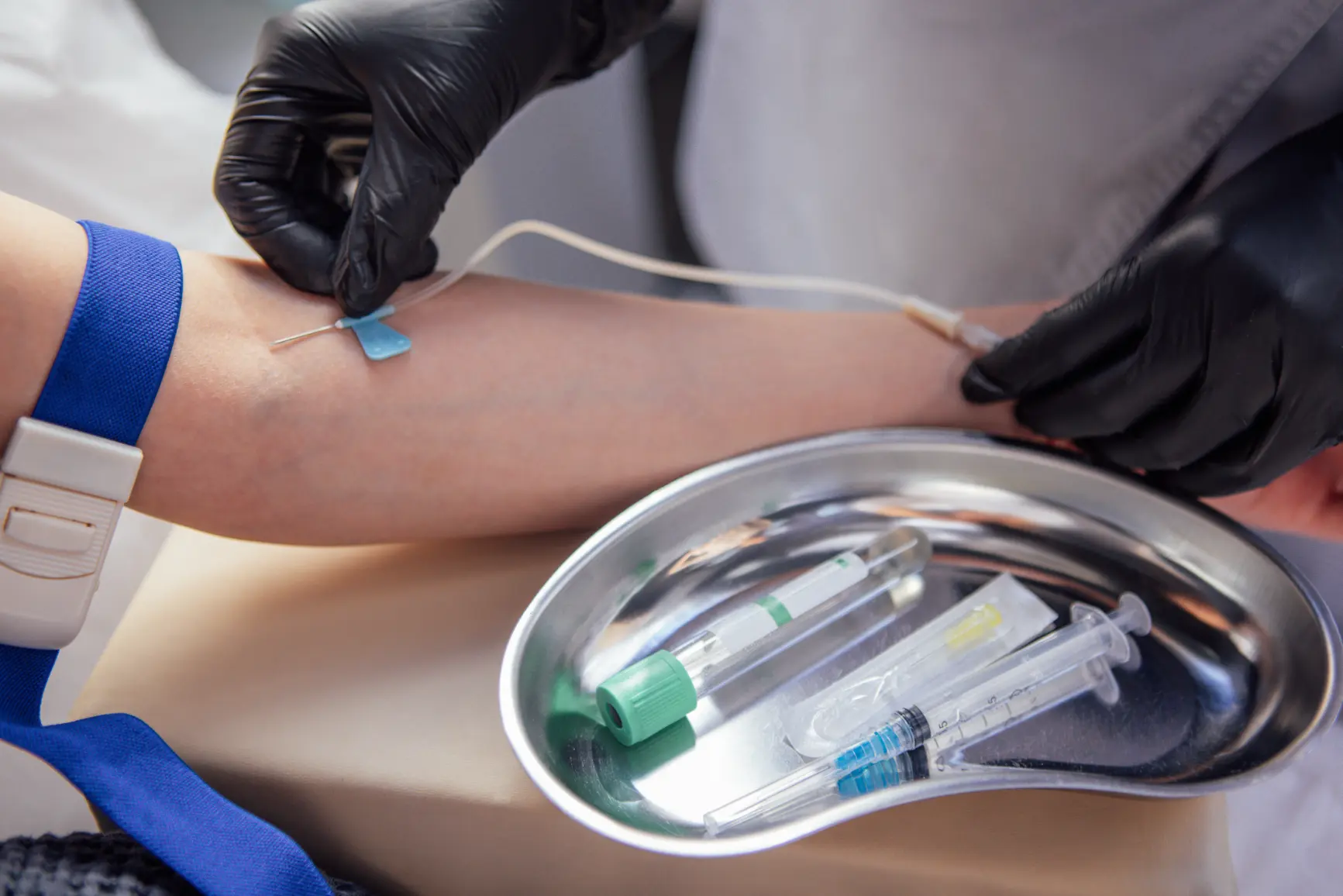
Phlebotomy is a focused, skills-based career path, and in Newfoundland and Labrador you can complete a CPTG‑aligned phlebotomy certificate in as little as 30–40 hours of instruction, giving you a structured route into this field in 2026. As a medical training provider, we see more Newfoundlanders looking for clear, practical guidance on how to move from interest to recognized training, then to nationally recognized certification.
Key Takeaways
| Question | Answer (2026) |
|---|---|
| 1. How do I start becoming a phlebotomist in Newfoundland? | Begin with a structured course such as our Phlebotomy Certificate Program in St. John’s, which provides CPTG‑aligned training and hands‑on practice. |
| 2. Is there a nationally recognized certification for phlebotomists? | Yes. The Canadian Phlebotomy Technicians Group (CPTG) offers a nationally recognized certification that our Phlebotomy Certificate Program is designed to support. |
| 3. How long does training usually take? | Our St. John’s program typically runs for about 30–40 hours, and we also provide shorter options such as the One‑Day Phlebotomy Workshop for working professionals. |
| 4. What does it cost to train in 2026? | Our national Phlebotomy Certificate Program is $2300, and the intensive workshop option is currently $325. |
| 5. Where else can I learn about phlebotomy training options? | You can review all our phlebotomy offerings on our national overview page at Phlebotomy Training Programs in Canada and our general Training page. |
| 6. Do I have to train in Newfoundland to work there? | No, but training locally through our St. John’s training hub can make scheduling easier and aligns with a national curriculum. |
| 7. Where can I see all available medical courses? | You can browse our full catalog, including phlebotomy and related clinical skills, on our All Courses page. |
1. Understanding the Phlebotomist Role in Newfoundland
Phlebotomists support hospitals, labs, clinics, and community programs across Newfoundland through accurate blood collection and careful specimen handling. In 2026, this role remains highly procedural and protocol‑driven, which is why structured training and clear competency standards matter.
Daily responsibilities typically include:
- Preparing equipment and collection sites in clinical or community settings.
- Collecting blood specimens by venipuncture and capillary methods following established procedures.
- Labelling and handling specimens so they reach the lab in a usable state.
- Documenting procedures according to site policy.
In Newfoundland and Labrador, phlebotomy skills are useful in hospitals, private labs, primary care clinics, and some community outreach or mobile clinic settings. Given the province’s geography, employers often value professionals who can work confidently and independently within an interprofessional team.

2. Education and Certification Pathways for Newfoundland Candidates
The main national certification body for phlebotomists in Canada in 2026 is the Canadian Phlebotomy Technicians Group (CPTG). Their requirements shape how we design our training programs and how you should plan your education path. CPTG requires candidates to be members and to meet one of several education or experience criteria that relate to recent, recognized phlebotomy training or documented practice. Because of this, a structured, CPTG‑aligned training program is a practical first step if you are starting fresh in Newfoundland. From a planning point of view, you can think of the pathway in three stages:
- Complete recognized phlebotomy training, such as our MTC phlebotomy certificate program in St johns.
- Ensure you meet CPTG’s eligibility criteria and membership requirements.
- Prepare for and schedule the theory and OSCE components of the CPTG exam.
This staged approach helps you avoid gaps between your training, eligibility, and exam timing.

3. Local Training: Phlebotomy Certificate Program in St. John’s, NL
Our St. John’s CPTG‑Aligned Program
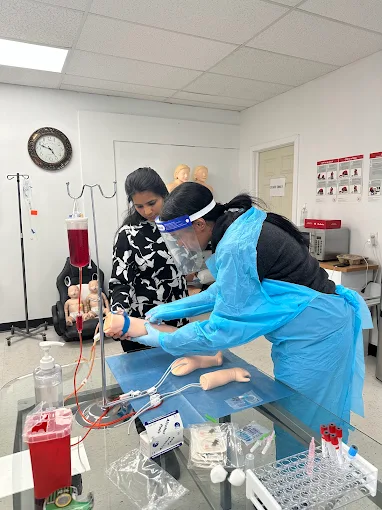
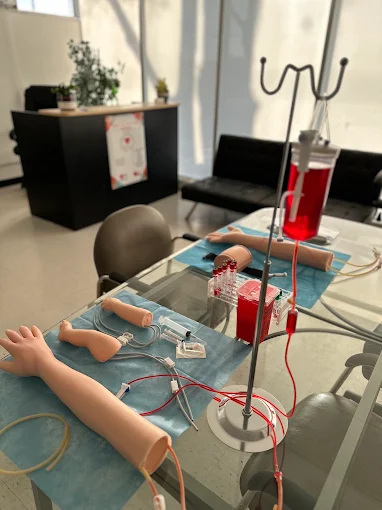
We deliver a dedicated Phlebotomy Certificate Program in St. John’s, NL that provides approximately 30–40 hours of structured instruction. This program is aligned with CPTG expectations and combines theory with hands‑on skills practice. You train in a professional classroom environment using simulation arms and real‑world equipment that reflect typical Canadian clinical settings. We focus on safe technique, specimen handling, and professional conduct rather than on any claims about treatment or health outcomes.
Who This Newfoundland Program Suits
The St. John’s certificate is designed for:
- New entrants looking for an entry‑level clinical skills credential.
- Healthcare support staff who want formal recognition of phlebotomy skills.
- Internationally educated professionals seeking a Canadian, CPTG‑aligned micro‑credential.
Because training is offered in Newfoundland, it suits residents who prefer to study locally rather than travel to other provinces.
Program Format and Learning Experience
Our program combines classroom teaching, demonstrations, and supervised practice on simulation equipment. We keep group sizes manageable so that each learner has practical time to build confidence with core procedures.
Did You Know?
Newfoundland & Labrador candidates can complete a CPTG‑aligned phlebotomy certificate in St. John’s in about 30–40 total hours of instruction, giving them a local, structured pathway into this skills‑based role.
Source: Medical Training Center – St. John’s Phlebotomy Certificate Program
4. National Phlebotomy Certificate Program: Structure and Pricing
CPTG‑Aligned Micro‑Credential
Our national Phlebotomy Certificate Program is a stand‑alone micro‑credential designed to prepare learners for CPTG certification. The curriculum is consistent across cities, including St. John’s, Oshawa, and Winnipeg, so Newfoundland candidates can rely on a common standard.
Course Delivery and Duration
We deliver this program through a mix of online learning and in‑person practice on simulation arms. This blended format lets you review theoretical content at your pace while keeping scheduled time focused on hands‑on skills.
5. Fast‑Track Option: One‑Day Phlebotomy Workshop
Intensive Skills Training for Working Professionals
For healthcare workers in Newfoundland who already have a clinical background, our Phlebotomy One‑Day Workshop provides an intensive, skills‑focused option. In one day, you concentrate on essential phlebotomy techniques and practice them under instructor supervision. This workshop suits nurses, PSWs, and allied health professionals who want to add blood collection to their existing skill set. It can also serve as a refresher for those who have been away from practical practice for some time.
Workshop Certificate and Pricing
Participants receive a workshop certificate upon successful completion, documenting their participation and skills practice. The current listed fee for this one‑day format is $325 in 2026. While the workshop is not a substitute for a full certificate program if you are starting from zero experience, it can complement prior education and contribute toward readiness for more formal certification routes.
6. CPTG Certification Exams: What Newfoundland Candidates Need to Know
Once you complete CPTG‑aligned training, your next step is planning for CPTG membership and the certification exam. CPTG uses a national standard, so Newfoundland candidates sit the same style of exam as candidates from other provinces. The exam typically has two components, a theory section and an OSCE‑style practical assessment, with a combined time limit of around 2.5 hours. This structure is designed to evaluate both your knowledge of protocols and your ability to apply them in simulated practice scenarios. In 2026, CPTG lists separate fees for membership and exams. For planning purposes, you should budget for membership and an exam fee, and also note that rewrites, if required, may have additional costs.
Did You Know?
CPTG lists membership at about CAD 129, with exam fees of roughly CAD 239 for members and CAD 429 for non‑members, so planning for certification costs is just as important as planning your course tuition.
Source: Canadian Phlebotomy Technicians Group (CPTG) When you are close to completing training, we encourage you to review CPTG’s current eligibility and fee details directly, then select an exam window that aligns with your schedule and preparation level.

7. Mapping Out Your Timeline: From Training to Job Applications
Becoming a phlebotomist in Newfoundland is easier to manage when you map out approximate timelines. Although exact durations can vary, many learners follow a similar pattern in 2026. A typical journey might look like this:
- Month 1: Enrol in and complete a 30–40‑hour phlebotomy certificate program in St. John’s.
- Month 2: Finalize CPTG membership and submit exam application, if you choose to certify.
- Months 2–3: Sit the CPTG exam and focus on consolidating your skills.
- Months 3–4: Start applying for phlebotomy or specimen collection roles across Newfoundland and Labrador.
This pace can be adjusted to your circumstances, especially if you are working while studying. Some learners choose to begin scanning job postings and employer requirements even before their final exam, so that their applications can be timed with anticipated openings.
8. Job Market and Wage Context for Phlebotomists in Newfoundland
In 2026, national labour market data suggests that phlebotomy and related roles in Newfoundland and Labrador sit within a broader healthcare environment that values technical skills and formal training. While actual wages depend on employer, role, and experience, provincial data and public postings provide context for planning. Some advertised positions in the region list hourly rates in the low to mid‑twenties in Canadian dollars. Other phlebotomy‑related roles, particularly in larger institutions or specialized services, may show different wage structures depending on responsibilities and union frameworks. Instead of focusing only on a single figure, we encourage you to compare several postings and consider:
- Required credentials and whether CPTG certification is mentioned.
- Full‑time versus part‑time status and shift expectations.
- Benefits, vacation, and professional development support.
This broader view will help you align your training investment with realistic job expectations in Newfoundland.
9. Comparing Phlebotomy Training Options in and beyond Newfoundland
While our focus here is Newfoundland, some learners consider using training or workshops in other provinces and then working in NL. Our national network makes this possible while keeping phlebotomy curricula aligned. Key considerations when comparing options:
- Alignment with CPTG: Does the program clearly state that it is designed around CPTG expectations.
- Hours and format: Is the training long enough and hands‑on enough for your learning needs.
- Location and schedule: Can you realistically attend sessions without excessive travel or time off work.
- Cost and value: How do tuition and any added fees relate to the structure and recognition of the program.
Because CPTG certification is national, you can use a combination of our St. John’s program and other Canadian training hubs if your circumstances change. We maintain consistent standards across locations to support that flexibility.
10. Practical Steps to Get Started in 2026
To move from interest to action as a future phlebotomist in Newfoundland, it helps to write out concrete steps. In 2026, we recommend the following sequence:
- Confirm your goals: Decide whether you want a full certificate, a workshop, or both.
- Review program details: Visit our Phlebotomy Training Programs overview to compare St. John’s and other city options.
- Plan your budget: Factor in tuition, potential CPTG membership, and exam fees.
- Align your schedule: Check our current St. John’s training calendar and identify dates you can commit to.
- Prepare academically: Refresh basic anatomy, terminology, and infection‑control concepts as you approach your start date.
If you want a broader view of additional clinical skills that can complement phlebotomy, you can also review our About page and our general Training hub to see how phlebotomy fits within our mission of improving emergency and clinical care skills across Canada.
Conclusion
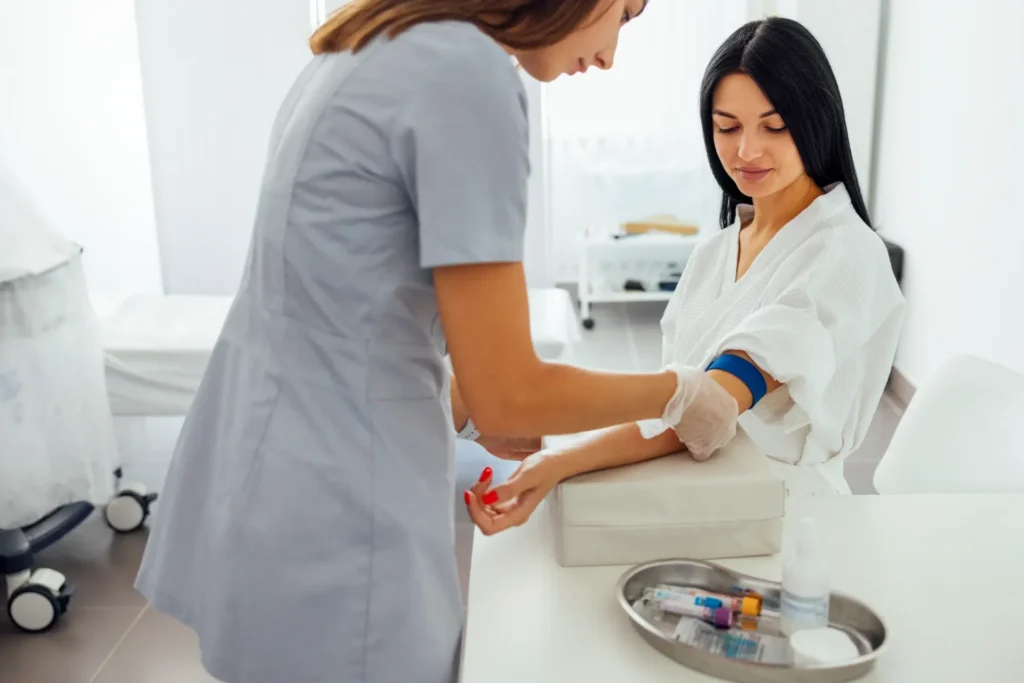
Becoming a phlebotomist in Newfoundland in 2026 is a realistic goal if you follow a structured plan that combines local training, national standards, and clear timelines. By starting with a CPTG‑aligned program in St. John’s, considering focused options like our one‑day workshop, and planning ahead for CPTG certification requirements and fees, you can position yourself for entry into this skills‑based clinical role. We design our programs to be practical, guideline‑based, and responsive to the needs of both new entrants and working healthcare professionals. If you are ready to move forward, reviewing our St. John’s phlebotomy certificate details and upcoming dates is the most direct next step.
Enroll in the St. John’s Phlebotomy Certificate Program
Take the next step toward becoming a certified phlebotomist in Newfoundland. View upcoming course dates and secure your seat in our CPTG-aligned training program in St. John’s.


