How To Become A Phlebotomist In Manitoba
Becoming a phlebotomist in Manitoba, typically includes structured training, hands-on practice, and guideline-based certification preparation. In Winnipeg and across the province, phlebotomy skills are used in hospitals, diagnostic laboratories, and community collection centres.
This guide explains education pathways, certification alignment, salary expectations in Manitoba, and how to choose a Winnipeg phlebotomy training program that prepares you for entry-level roles.
Manitoba is forecasting about 138,400 job openings between 2025 and 2029, and a significant share will be in health care and related support roles, which is where phlebotomy skills fit in. If you are interested in clinical work that supports diagnosis and patient care in Winnipeg and across the province, structured phlebotomy training is a practical way to build job-ready skills.
Key Takeaways
| Question | Short Answer |
|---|---|
| How do I start becoming a phlebotomist in Manitoba? | Begin with structured training, such as the Phlebotomy Certificate Program in Winnipeg, which focuses on foundational knowledge, safety, and hands-on practice. |
| Is there a shorter option if I already work in health care? | Yes, experienced professionals can build phlebotomy skills through focused options like the Phlebotomy One-Day Workshop in Winnipeg. |
| Are Manitoba phlebotomy programs aligned with national standards? | Our nationally recognized phlebotomy training programs in Canada follow guideline-based content and CPTG-aligned curricula. |
| What does a comprehensive phlebotomy course typically include? | Courses such as the Phlebotomy Certificate Technician cover venipuncture, specimen handling, safety, and patient interaction in a structured format. |
| Can one‑day formats help me refresh or upgrade skills? | Yes, our phlebotomy one-day workshop options focus on practical skill refreshers for current health professionals. |
| Where can I see all phlebotomy learning options in one place? | You can review our national overview and choose the Winnipeg option that matches your goals at Phlebotomy Training Programs in Canada. |
Educational Requirements for Phlebotomists in Manitoba
To become a phlebotomist in Manitoba, you typically need to complete structured phlebotomy training that includes both classroom education and supervised hands-on practice in venipuncture and specimen handling.
Phlebotomy is not a separately regulated profession in Manitoba. However, most employers expect documented training and demonstrated competency in blood collection techniques, infection control, specimen labeling, and clinical safety procedures.
In Winnipeg and across Manitoba, the most common pathway includes:
- Complete a structured phlebotomy certificate or technician program that includes theory and practical skills training.
- Develop hands-on competency in venipuncture, capillary collection, infection control, and specimen preparation.
- Obtain a certificate of completion and prepare for CPTG certification eligibility if aligned with your career goals.
- Apply for entry-level roles in hospitals, diagnostic laboratories, community collection centres, or medical laboratory assistant positions that include blood collection responsibilities.
If you are already working in healthcare, you may choose a focused one-day phlebotomy workshop to add or refresh blood collection skills within your current clinical role.
1. Understanding The Phlebotomist Role In Manitoba’s Health System
Phlebotomists support hospitals, clinics, laboratories, and community services by collecting blood specimens accurately and safely. In Manitoba, this work is often integrated with medical laboratory assistant responsibilities, especially in diagnostic and collection centers.
Phlebotomy skills are used in Winnipeg’s large facilities and in smaller regional settings, from collection sites to outpatient clinics. Because Manitoba’s health care and social assistance sector employed about 114,700 workers in 2024, phlebotomy-related skills can be part of a broad and active workforce.
Core Tasks You Can Expect
As you build toward a phlebotomy role, you are preparing to handle specimen collection, labeling, and safe preparation for transport. You are also learning to work within infection control standards, follow policies, and communicate clearly with patients and clinical teams.
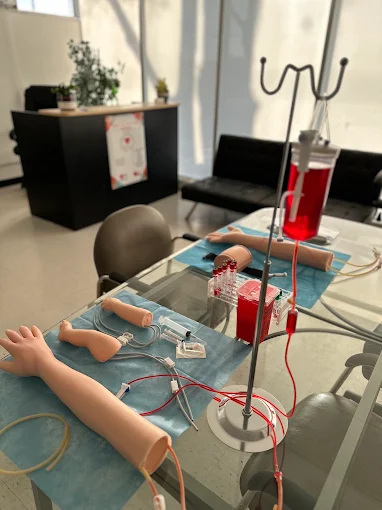
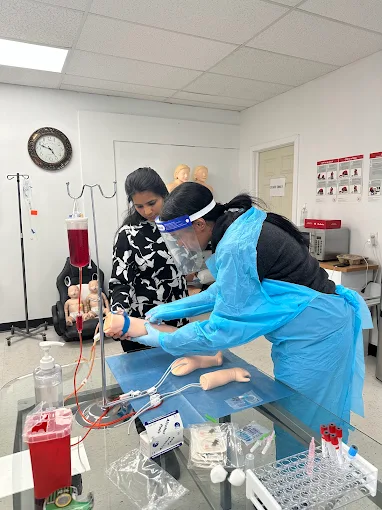
Training that uses simulation equipment helps you develop these tasks in a controlled environment before you apply them in real settings. Our programs are designed to emphasize safe technique, workflow, and clear documentation.
2. Education Pathways: Certificate Programs And Related Training
In Manitoba, most people interested in phlebotomy start with structured certificate or technician programs that emphasize both theory and hands-on skills. At Medical Training Center, our Phlebotomy Certificate Program in Winnipeg is designed for learners who want a clear, guided pathway into entry-level phlebotomy work in Canadian settings.
The Winnipeg program typically includes approximately 30 to 40 hours of instruction, combining classroom learning with supervised sessions on simulation equipment. This format helps you build confidence in technique, safety protocols, and specimen handling before you approach workplace environments.
Phlebotomy Certificate Technician Course
For a detailed view of curriculum and cost, our Phlebotomy Certificate Technician course is currently $2,300.00. This range reflects comprehensive training in venipuncture, specimen handling, safety, and patient interaction.
You can supplement this learning with related skills, such as injection or intravenous administration courses, which offer additional clinical competencies that some Manitoba employers value in combined roles.

3. Key Skills You Need: Knowledge, Safety, And Technique
Phlebotomy training in Manitoba focuses on three major pillars: foundational knowledge, safety and infection control, and hands-on technique. Our Winnipeg certificate program addresses each area in a structured way so you build skills step by step.
Foundational knowledge covers human anatomy and the circulatory system, as well as basic medical terminology that helps you communicate effectively in laboratories and clinics. Safety and infection control training focuses on standard precautions, proper use of personal protective equipment, and procedures designed to reduce risk during specimen collection.
Hands-On Phlebotomy Skills
The hands-on components of our programs teach venipuncture techniques, capillary collection, and careful specimen labeling and transport. By practicing with IV arms and simulated scenarios, you learn to apply protocols consistently.
We design practice sessions so you can receive guidance in real time, ask questions, and repeat steps until your technique aligns with required standards.
Did You Know?
Manitoba phlebotomists have a median wage of about $25.00 per hour.
Source: Job Bank – Phlebotomist in Manitoba
4. Step-By-Step: How To Become A Phlebotomist In Manitoba
While there is no single mandated route for all employers, most Manitoba phlebotomy-related roles expect a combination of education, practical skills, and workplace readiness. You can think of your path in five broad steps.
We outline a practical progression below that many learners follow when preparing for lab support and phlebotomy-focused roles.
Five Practical Steps
- Clarify your goal: Decide whether you want a phlebotomy-focused role or a broader medical laboratory assistant pathway that includes phlebotomy.
- Choose a training program: Select a structured program in Winnipeg that fits your schedule and background, such as a phlebotomy certificate or technician course.
- Complete theory and lab practice: Focus on anatomy, safety, specimen handling, and hands-on venipuncture using simulation equipment.
- Build related skills: Consider additional workshops in injection or IV administration if you plan to work in settings that value combined skills.
- Apply for entry-level roles: Look for positions in clinics, laboratories, collection centers, and other organizations that use phlebotomy skills.
Throughout this process, it is helpful to stay organized with documentation, course certificates, and any additional knowledge certificates that demonstrate your learning history.

5. Phlebotomy Certificate Program In Winnipeg: What To Expect
Our Phlebotomy Certificate Program in Winnipeg is structured for learners who want a comprehensive introduction to phlebotomy in a guided, hands-on format. The curriculum is designed around guideline-based standards and CPTG alignment.
The program includes approximately 30 to 40 hours of instruction that combine classroom sessions and supervised skills practice. You learn using IV arms and other training simulators that replicate real clinical procedures in a controlled environment.
Core Learning Areas
- Foundational knowledge: Anatomy and the circulatory system, medical terminology, and basic lab workflow.
- Safety and infection control: Standard precautions, PPE use, and infection prevention practices.
- Hands-on phlebotomy skills: Venipuncture, capillary collection, specimen labeling, and safe preparation for transport.
These components are taught in an interactive way so you can ask questions, practice repeatedly, and receive feedback from trained instructors who focus on practical skill development.

6. One-Day Phlebotomy Workshop In Winnipeg For Health Professionals
For working healthcare professionals in Manitoba who already have a clinical background, time can be a significant constraint. Our Phlebotomy One-Day Workshop in Winnipeg is designed specifically for this group.
This workshop focuses on safe, accurate blood collection techniques in a compact format that still emphasizes supervised, hands-on practice. It is suitable as an introduction for experienced clinicians who want to add phlebotomy to their skills or as a refresher for those who have limited recent practice.
Workshop Components
- Phlebotomy foundations: Anatomy, equipment selection, and infection control as they relate to blood collection.
- Venipuncture techniques: Use of Vacutainer and butterfly systems, site preparation, and adherence to safety practices.
- Certificate of completion: Participants receive documentation summarizing their attendance and successful workshop completion.
The one-day format lets you focus intensely on technique and best practices without committing to a multi-week schedule, which many Manitoba professionals find practical.
7. Program Length, Schedule, And Learning Formats
When you plan how to become a phlebotomist in Manitoba, schedule is a major practical factor. Our Winnipeg certificate program generally runs in an approximately 30 to 40 hour range, organized into classroom sessions plus skills labs.
The one-day workshop, in contrast, condenses key skills into a single intensive day, which is more suitable if you already have a clinical foundation. Together, these options allow you to choose the depth and time commitment that match your current situation.
Comparison Of Learning Options
| Option | Typical Duration | Focus |
|---|---|---|
| Winnipeg Phlebotomy Certificate Program | Approx. 30–40 hours | Comprehensive theory and hands-on practice for new entrants. |
| Winnipeg One-Day Workshop | Single day | Skill-focused refresher or add-on for current professionals. |
We announce dates and formats in advance on our program pages so you can align training with work and personal commitments.
Did You Know?
Manitoba phlebotomy wages in the Winnipeg region include a low of about $15.80 per hour, a median of $25.00 per hour, and a high of about $39.49 per hour.
Source: Manitoba Job Bank – Phlebotomist Wages, Winnipeg Region
8. Costs, Funding Considerations, And Budgeting Your Training
Planning how to become a phlebotomist in Manitoba includes thinking carefully about tuition and related costs. For example, our Phlebotomy Certificate Technician program is $2,300.00.
For comparison, Manitoba learners who choose broader medical laboratory assistant routes at private colleges may encounter higher total program costs. This contrast helps you decide whether a focused phlebotomy option or a longer, multi-skill program fits your goals and budget.
How To Approach Costs Strategically
- Clarify whether you want a short, focused course or a longer diploma that includes multiple competencies.
- Ask about payment schedules, any available employer support, and whether additional materials are included.
- Consider the wage ranges for phlebotomy and MLA roles in Manitoba to understand potential future income when making training decisions.
We encourage prospective students to contact our team with questions about program fees, what is included, and how our Winnipeg offerings compare with other options they are considering.
9. Career Settings And Job Prospects For Phlebotomy Skills In Manitoba
In Manitoba, phlebotomy skills are used in multiple settings, particularly in Winnipeg where health sector employment is concentrated. Many roles are advertised as medical laboratory assistants or combined positions that include blood collection responsibilities.
You may encounter opportunities at diagnostic laboratories, hospitals, community collection centers, and blood collection services. Some organizations list phlebotomist or donor care associate positions where specimen collection is the primary focus.
Work Patterns And Hours
Medical laboratory assistants in Manitoba typically work around 35 to 40 hours per week, depending on employer and setting. Shift work, including evenings and weekends, can be part of some roles in larger facilities and collection networks.
Understanding these patterns helps you plan training, commuting, and family responsibilities as you move from course completion into the labour market.
CPTG Certification And Manitoba Employment Alignment
Medical Training Center’s phlebotomy training in Winnipeg follows guideline-based curriculum aligned with the Canadian Phlebotomy Technicians Group (CPTG). CPTG is a national organization that offers certification specifically for phlebotomy technicians in Canada.
While phlebotomy is not a separately regulated profession in Manitoba, many employers value structured training that prepares graduates for CPTG certification eligibility.
Our Winnipeg certificate program is designed to build the foundational knowledge and practical competencies that align with CPTG standards, including venipuncture technique, infection control, specimen handling, and clinical documentation.
10. Advancing Your Skills After Entry-Level Phlebotomy Training
Once you have completed a phlebotomy certificate or technician program and gained some experience, you may want to deepen or broaden your competencies. Some Manitoba professionals pursue additional courses in injection administration, intravenous skills, or intramuscular techniques.
Others explore knowledge certificates through national organizations such as CSMLS, which offers structured recognition for learning in specialized areas, including basic phlebotomy essentials. These options can help you demonstrate ongoing education to employers and align your skills with evolving workplace expectations.
Planning Your Next Steps
- Review your current role and identify skills that would add value in your specific workplace.
- Consider short workshops to fill targeted gaps, such as injection administration or IV setup.
- Explore national knowledge certificates if you are interested in formal recognition of advanced learning.
We encourage graduates to treat phlebotomy training as a foundation that can support a long-term clinical or laboratory support career in Manitoba.
Conclusion
Becoming a phlebotomist in Manitoba is a practical, achievable goal when you follow a structured path that combines education, safety, and supervised practice. By choosing a focused training option in Winnipeg, such as a certificate program or one-day workshop, you can build the skills that Manitoba employers look for in entry-level phlebotomy and lab support roles.
Our role at Medical Training Center is to provide clear, guideline-based training that prepares you for real clinical environments without making medical claims. If you are ready to begin or to add phlebotomy to your existing skill set, we are here to help you map out the training pathway that fits your goals in Manitoba’s health care system.
Enroll in the Winnipeg Phlebotomy Certificate Program
Take the next step toward becoming a certified phlebotomist in Manitoba. View upcoming course dates and secure your seat in our CPTG-aligned training program in Winnipeg.